Showing posts with label Erik Wilke. Show all posts

Thursday, July 24, 2014

An exploration of the Harbor & Islands in style, or, Fishing as Ecosystem immersion

An exploration of the Harbor & Islands in style, or, Fishing as Ecosystem immersion
Erik Wilke

On Friday the 18th, we explored the Boston harbor with Captain Charlie. We found the water to be relatively clear (I could see the fish when we reeled them in several feet down before they were pulled up).
One of my favorite pieces of information was from Professor Berman as were just getting to where we were going to fish. We were told that the cormorants don't have oily bodies, and as such don't really have much insulation (they are diving birds, so that makes sense). Therefore, they only spend time in the water that they can use to fish, so if you see a cormorant in the water diving, there’s a good likelihood of fish.
We first ‘met’ some sea worms, which we promptly put on fishing hooks, but not before observing their fin-like appendages all along their body in a ruddy orange color against the body’s light grey to brown.
The first fish we caught was a Black Sea bass (Centropristis striata), about 14-15 inches long and a male. The hump above its head showed that it was completing the process of switching genders, as Black sea bass start off in the world as female (to maximize breeding). Patrick caught the one pictured below. This one had beautiful green scale pigmentation as well as they gray blue black coloration (hence the name) and a white underbelly.
 
However, they weren’t the only fish in the sea. Classmates caught two flounder and a silver hake. The flounder were about a foot and a foot and a half respectively (from right), with one of them having green-brown coloration and the other having a light brown coloration. Both of them were right eye flounder—meaning that they originally had eyes on both sides but gradually the left eye moved to their right side, allowing them to look all around them and above, because they feed around the bottom.


Then, a striped bass (Morone saxatilis) was caught. It was about 3’2’’ in length and had green-gray coloration on its top and sides as well as defined gray stripes along its side, leading to a white underbelly. Inside the gills (it was large enough to see inside the hole), were several red frond-looking gills which filtered and drew oxygen from the water. I’d imagine if you took them out and compared them to lung tissue, you might find some similarities.

Then we went to Lovell’s island. Upon reaching the island, we encountered some fauna on our way to the beach. On the beach, however, we came across a stretch of tide pools, wherein we found periwinkles (sea snails), Asian shore crab (which is invading from long island coast to near Portland, Maine), as well as some small fish that swam in schools (see video). I had a hard time attempting to get a closer look at them but they could be very small mummichogs or gobies or some other similarly shaped and sized fish. Interestingly enough, I did not see any tunicates like we did on the docks. Perhaps a further excursion would find them, I bet they need to be submerged more often to survive. The crab was around 2 inches long and the sea snail was about the size of a pea or about ½ inch in diameter. We also encountered some hermit crabs roughly the same size or slightly bigger than the sea snails. Additionally,we found and sampled some slipper shell clams, ranging from 2  inches across to about 4 inches. 


Part 2


We also found and discovered some land snails (Cepaea nemoralisalso in the mollusca family like the slipper shell clams) , which would have had to have been dispersed to the island. A friend of mine from Harvard (he works with the Dept. of the Interior on invasive species) thinks that birds carried him, while his daughter thinks that campers on the island would have brought them via tents and equipment on land. I like both hypotheses and I’d bet that both have occurred in the past.


Bonus: Striped Bass encountered in my kitchen, alongside what appears to be lemon, garlic, a bit of an herb such as oregano. 


Thursday, July 17, 2014

Team Somethingfishy's Observational Foray onto the docks of the Barking Crab


These are our observations from under the docks of the Barking Crab. 


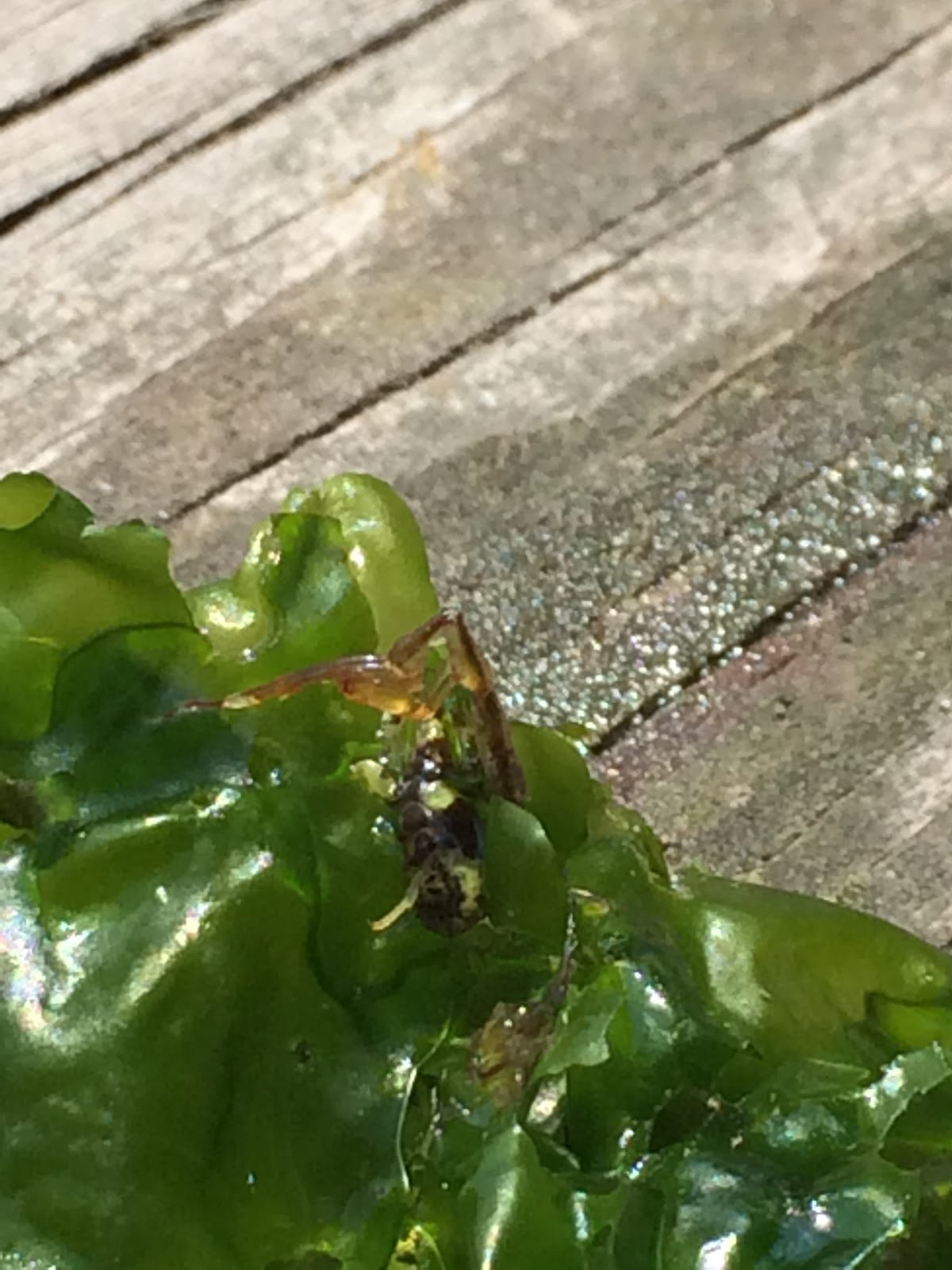
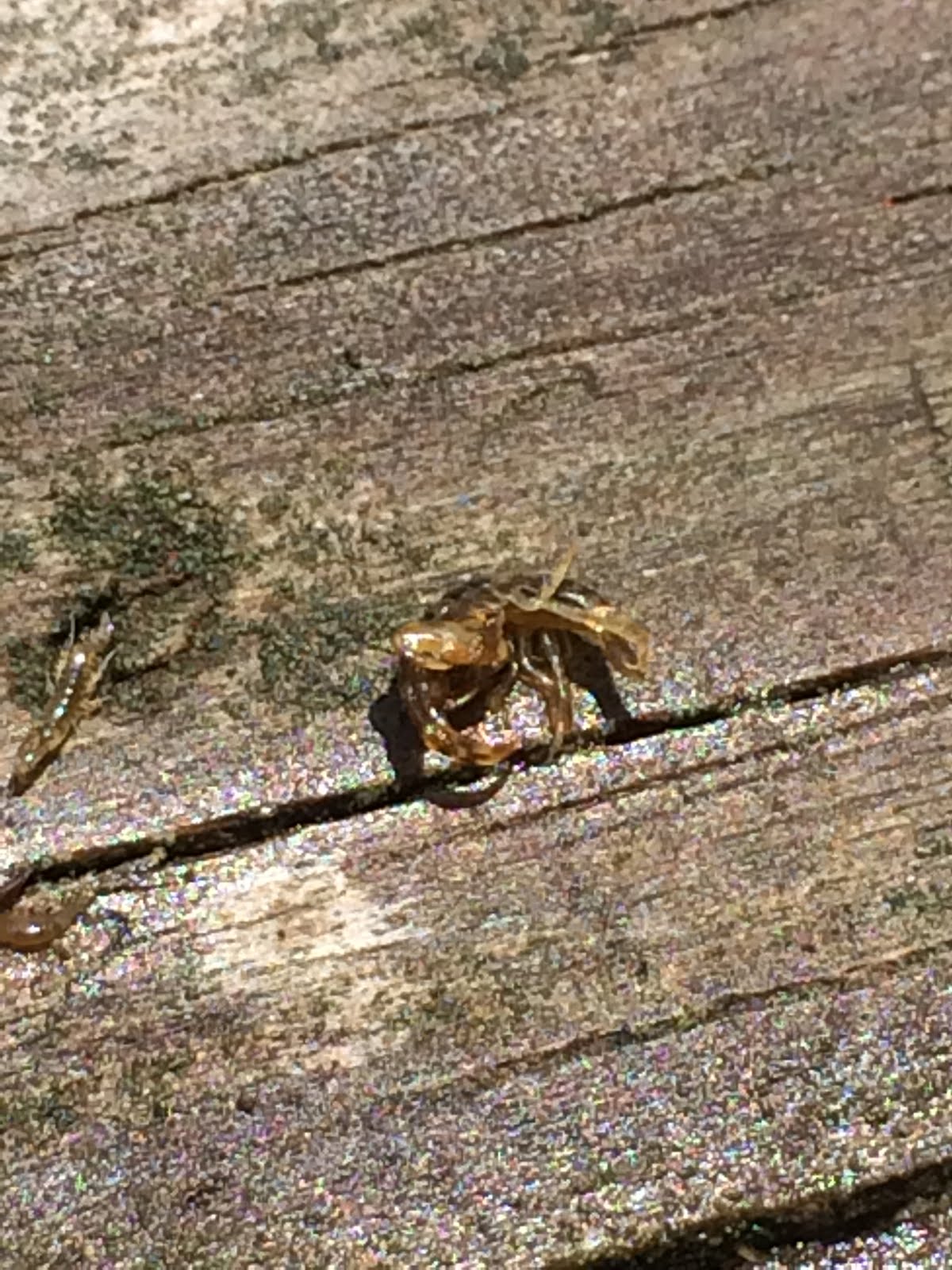
Skeleton Shrimp -very small, maybe ½ inch long

Club Tunicate: Stylea clava

found with barnacles and sea lettuce.


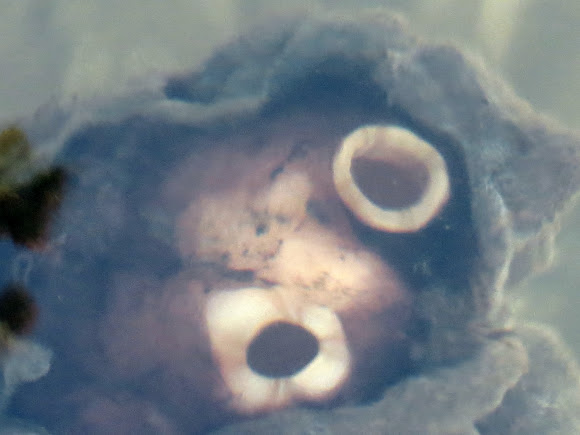
Pleated Sea Squirt Stylea plicata

Image courtesy of projectnoa.org
(http://lh6.ggpht.com/y3gxEEJcolW-cfLieOH2JAmnS6-57bqWy-AXzbfcNOW8B0Hi_zr35xDaxMrR1H2G9yZNDCdXvQDSGwg4NQbDVw=s580)


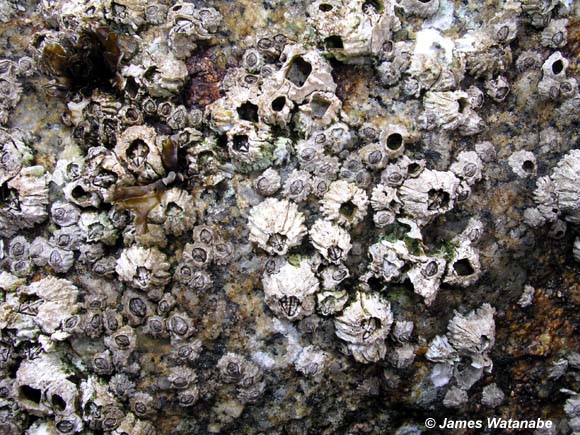
Certain species of acorn barnacle  Semibalanus balanoides such as Thatched Barnacles.
(http://seanet.stanford.edu/RockyShore/Barnacles/balanus_gla580.jpg-- Copyright James Watanabe


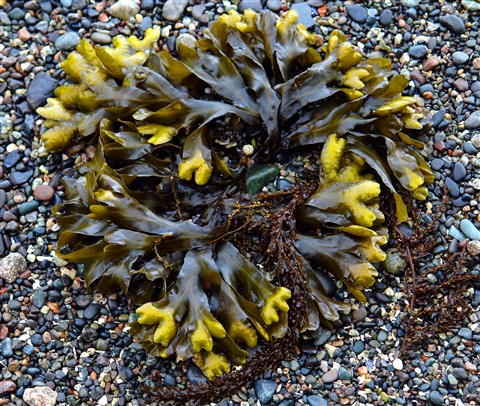
Rockweed (Ascophyllum nodosum) some was on a barnacle and some had been dislodged and was floating by.

(http://g4.img-dpreview.com/C0476AE719C7488084725B741E7D9C50.jpg)


Sea Lettuce with skeleton shrimp

Waterlouse (Asellus aquaticus)
these are tiny, maybe a 1/8th inch long and were everywhere. One mussel had over a dozen of them.


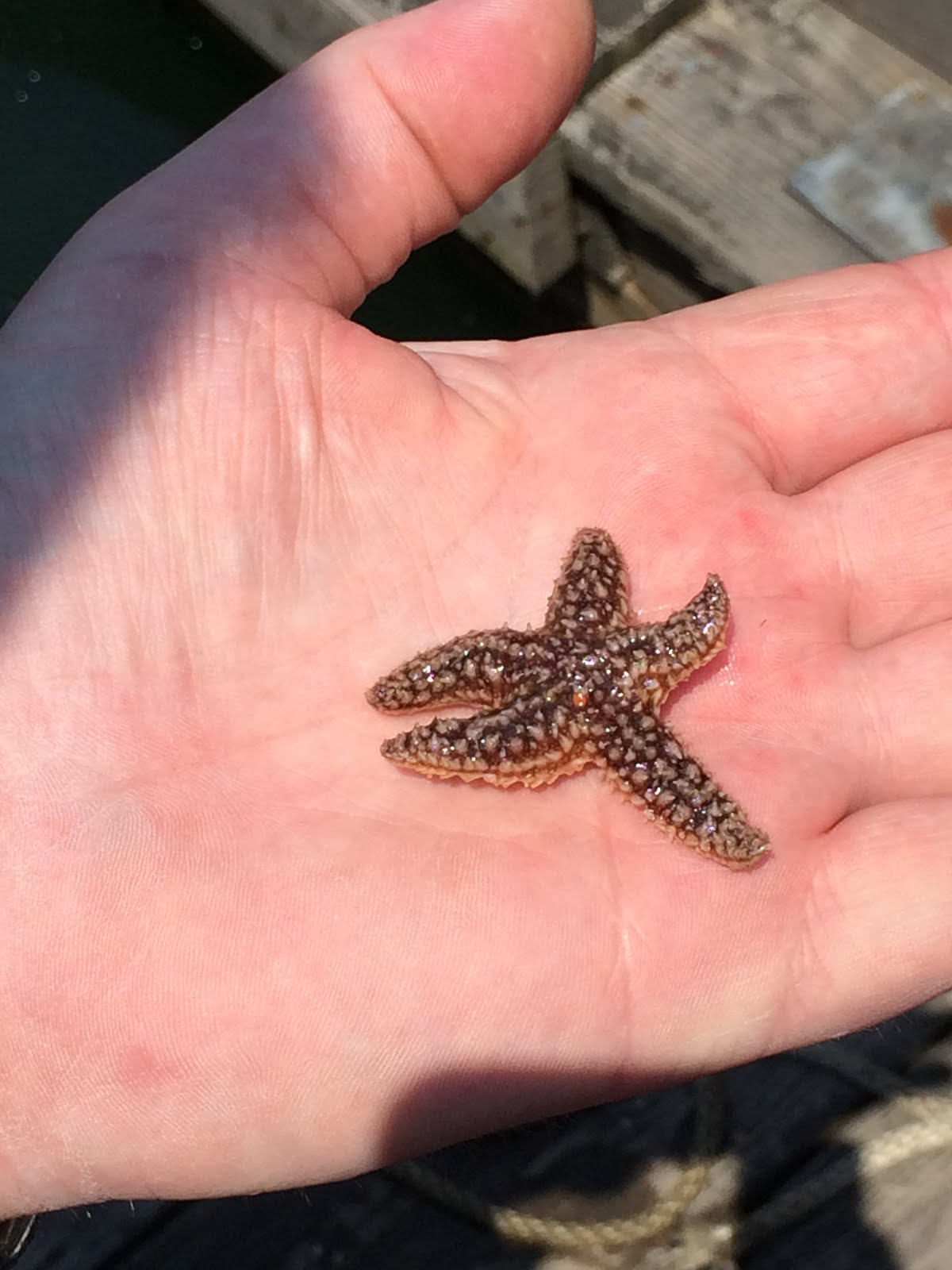
Starfish

Boreal Asterias

This one hitched a ride on the lobster trap that was hauled in. possibly 1inch from arm to arm.

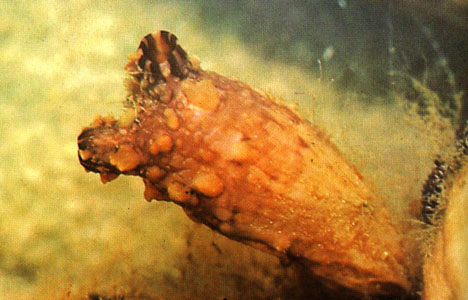
Orange Sheath Tunicate
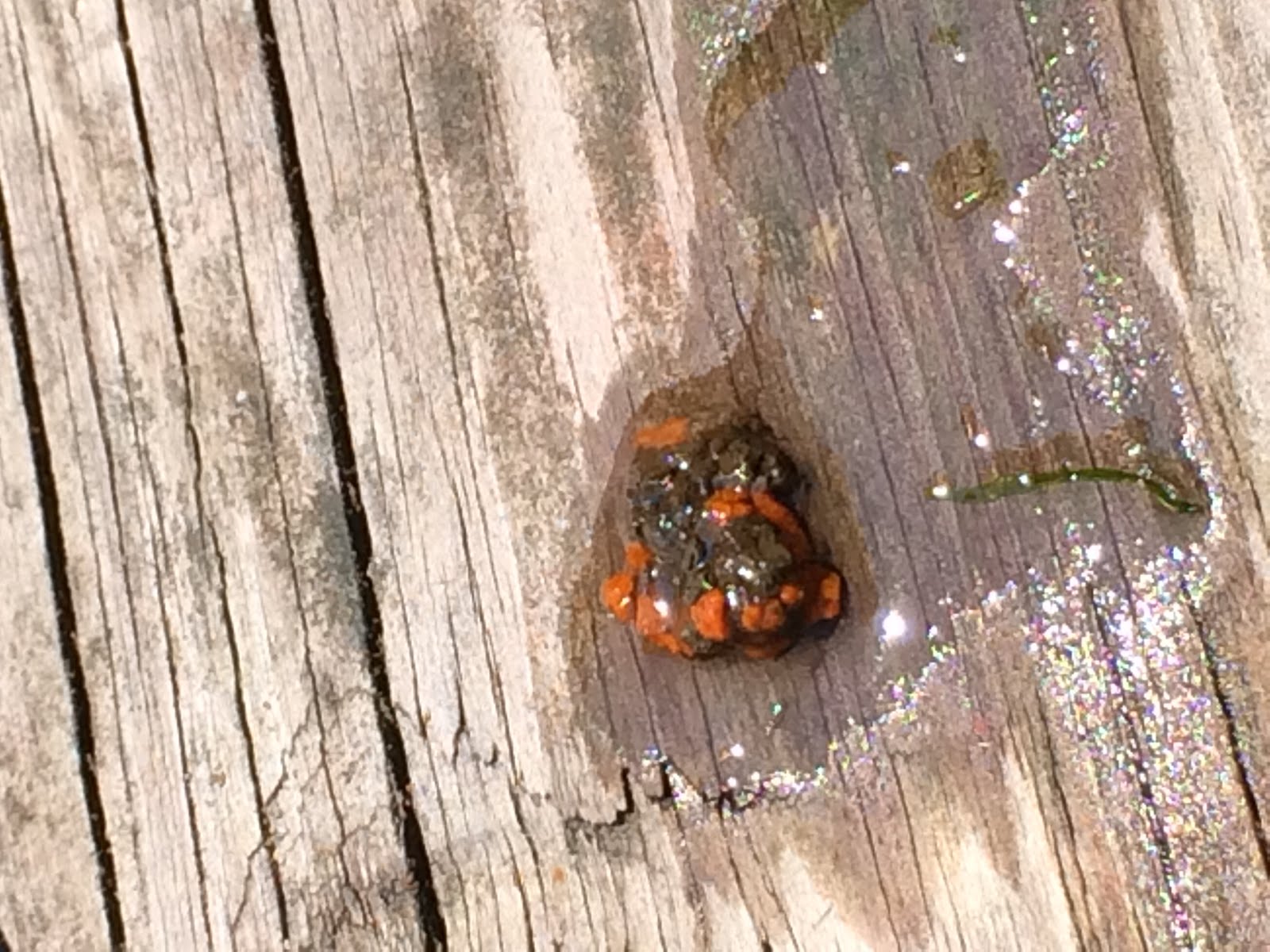
This stuff was as common as the sea lettuce, varying in size from small colonies (like pictured here) to much larger ones).

Note: this was taken at Fan Pier.
Shells from Birds dropping them to eat

Mussels are dropped from great heights to be cracked open and eaten by seagulls.

Jellyfish

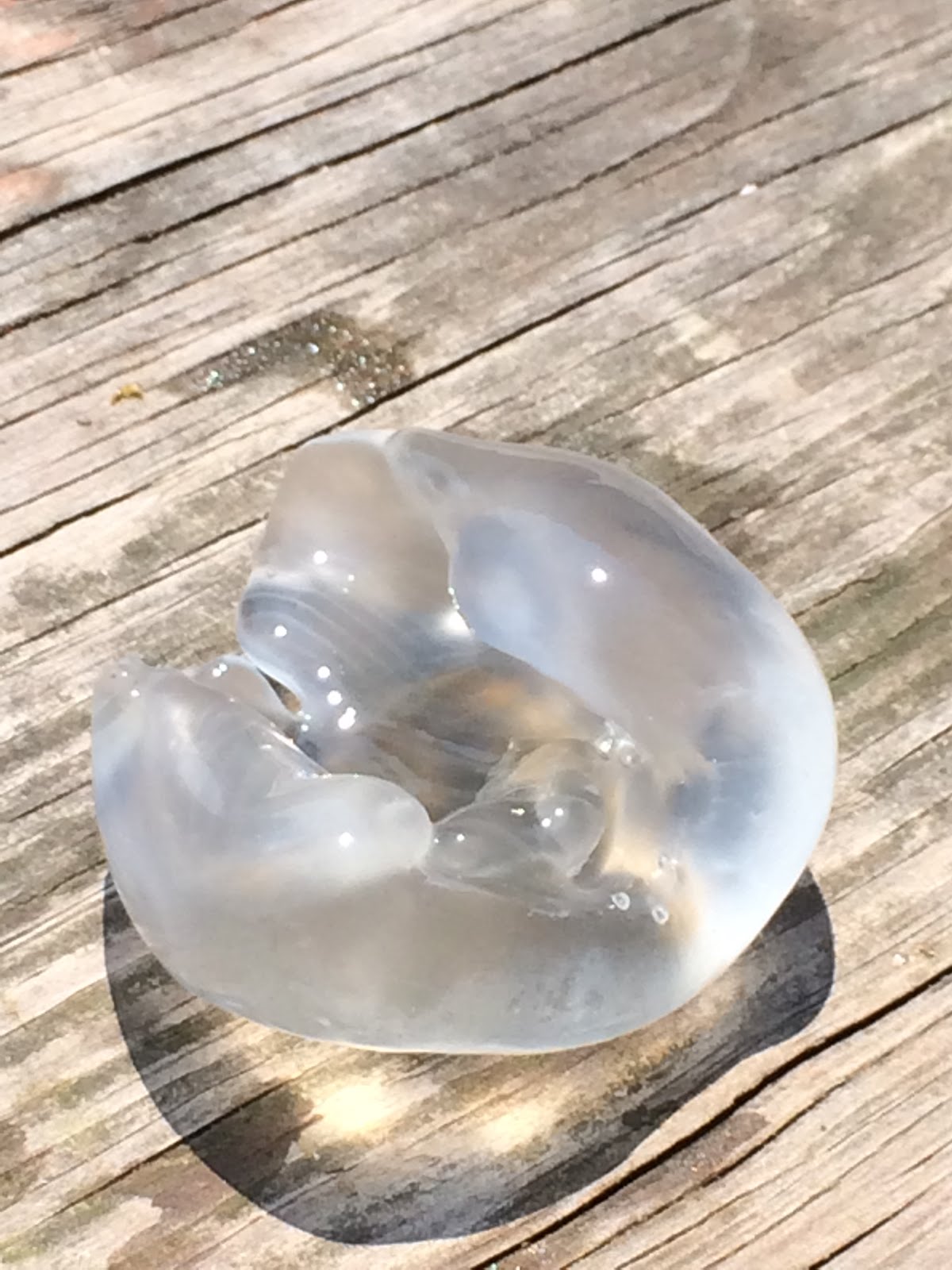
Moon Jelly (Aurelia Aurita)
approx. 3in. diameter
Thick, like muscle (expected it to be less durable)
Most have the 3-4 clover like reproductive organs; this one did not.

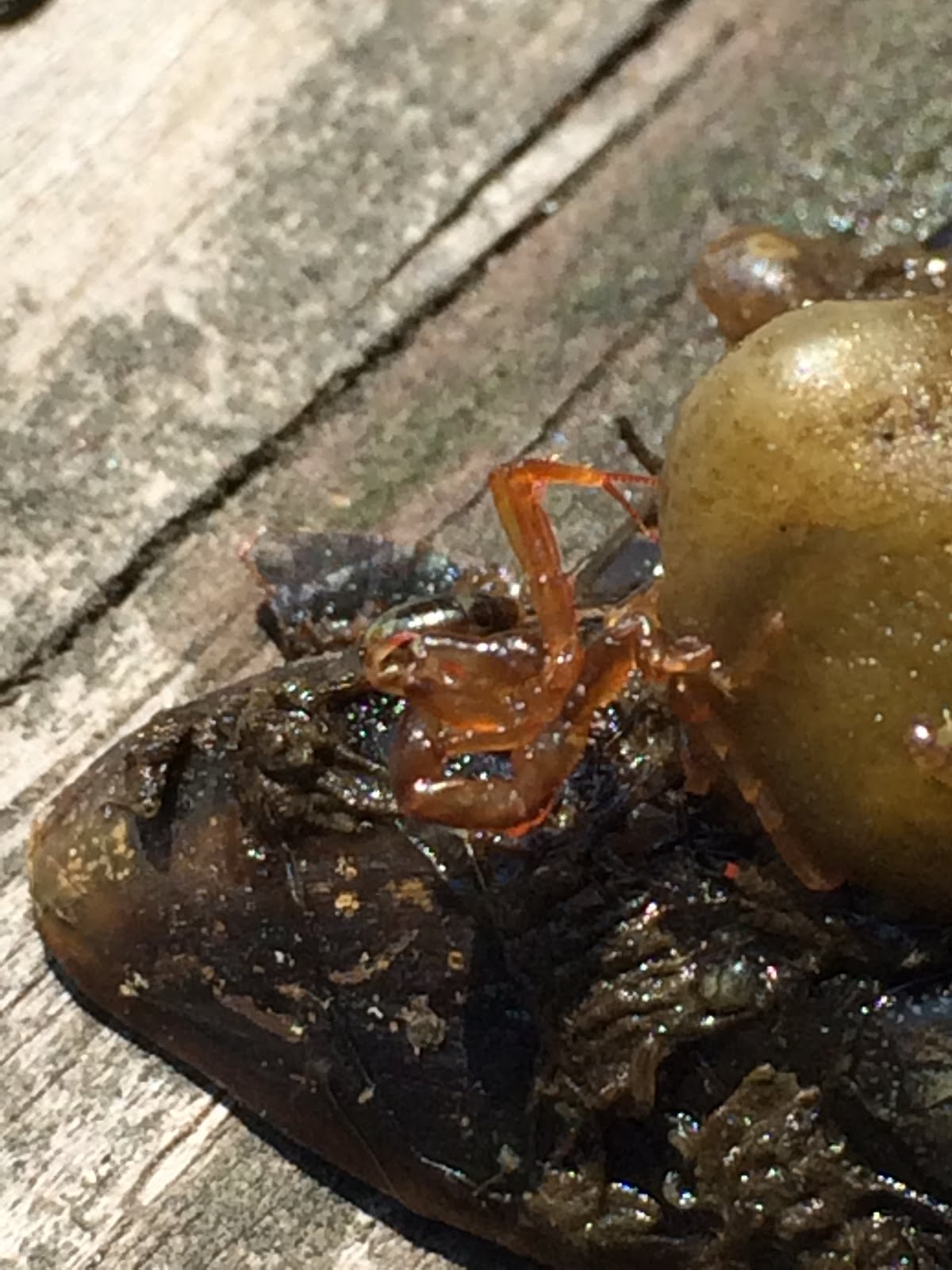
Snow Crab (Spider Crab Family)- this one was rather grimy, covered with algae or other plant life, or perhaps just muck.

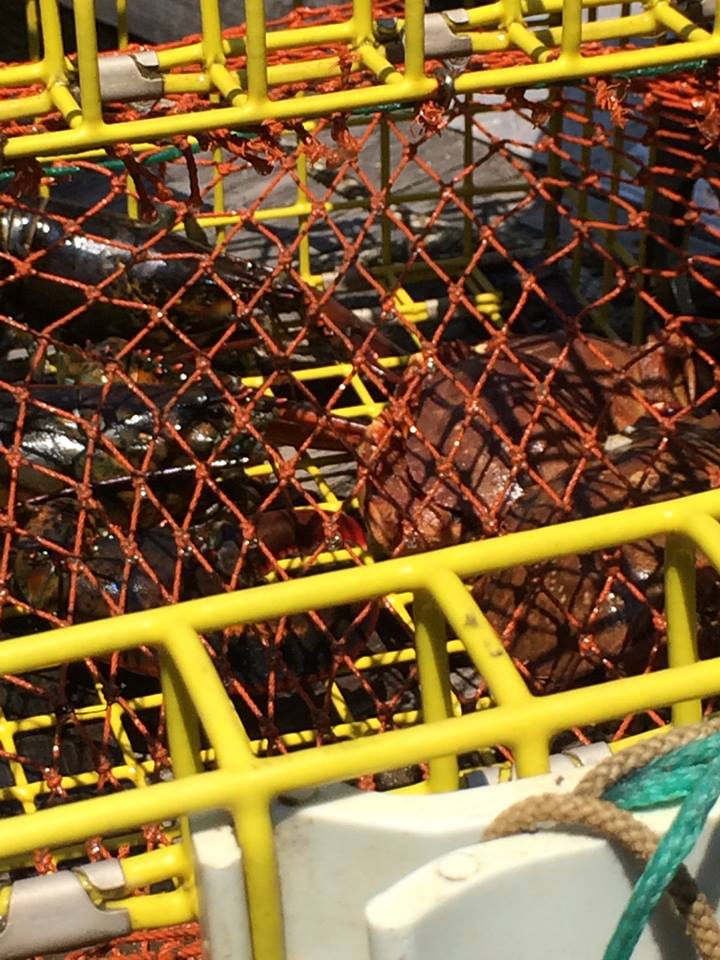
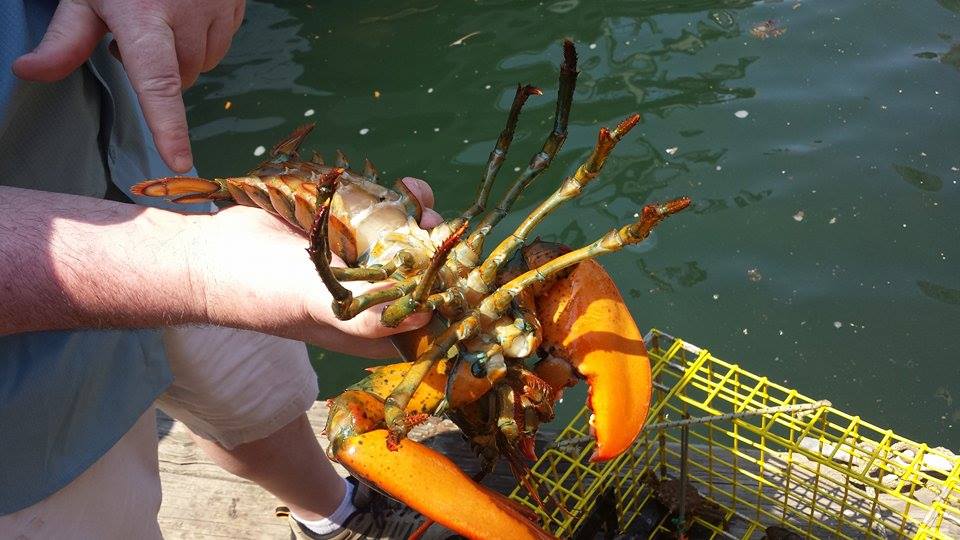
North Atlantic lobster


Saturday, July 12, 2014

Harbor excursion & the sharing of an ecosystem

The most notable thing about our harbor sojourn to me was that we could remain in a human dominated habitat and examine at a relatively close distance a whole other ecosystem. It might not have always been so lush (as the harbor and Charles river used to be much more polluted than today), but it is interesting to me that we as humans can still (perhaps against our will) carve out space for other living things. You’d think with all the paving and industry and transformation that the environment of Boston has taken on, (like how the long wharf stretched to the customs house but now is much more filled in), there’d be little to no room for other life, or that the ecosystem would completely restructure or fall apart. However, it seems like it adapts pretty well (as evidenced by the algae and seaweed by the office dock).

At first, we saw the environment of the north end. Aside from the occasional seagull, we humans dominate the paved parts and developed areas. However, a glance in the water revealed large striped bass (Pictured below), probably around 3ft. long or larger, who were quite hungry. Here is a picture that someone took of the bass from underwater, which I thought was a great shot: 


After seeing a mangy mallard, we examined the bass as I said before; and the ducks retreated to one side, using a drainpipe as a shower. This is one of the means of adaptation I am talking about, that the creatures that inhabit the ecosystem making changes to fit in with their surroundings. (I am not evolutionary adaptation, which would take many more generations).
The water itself around boston seems pretty clear, at points we could see shells on the bottom. I believe the Charles River has a B EPA rating, which has improved from its D rating several decades earlier.
There was a cormorant eating a small fish. It is much more streamlined to a duck or seagull, better designed for diving underwater. I’m familiar with loons, and they look like no-nonsense diving loons. Rumor has it that they almost went extinct in the 20’s because the ladies of the town used cormorant feathers for their hats, until the Massachusetts Audubon stepped in.

We also saw some moon jellyfish. As a side note, I believe they are appropriate to Boston because the shape of their reproductive organs (in 3 and 4 gonad bearing jellyfish) seem to mimic a clover (the sign of the Celtics, as well as the large Irish population around Boston).
Our tour of the harbor in the ferry showed me that the jellyfish are quite prolific, and the islands in Boston harbor and the bay are teeming with life, as their shores seemed to have rocks coated with algae of different types, and with algae, comes species that eat algae and so forth, so that particular ecosystem will be fun to explore.

Near the floating office, we saw several types of seaweeds and algae which I believe are indicative of what we will see tomorrow—small fronded seaweeds of several colors, large kelp weeds, with growths on them, as well as several smaller orange sea plant life of which I will attempt to discover the name.

Lastly, we saw some little barnacles on rocks. I really think that those are pretty interesting, as they can survive in the sunlight and underwater, a zone that changes essentially daily. We will see what tomorrow brings with the inter-tidal zone and other changing condition dwellers.

Friday, July 11, 2014

From Bathtubs to Hurricanes

This is Erik, I'm from around here, and I go to Emerson college. I'm also working on some riverboats for the spring/summer/fall seasons, but I work at an vocational training non-profit during the fall and winter.

My observation was that the sink drained in a counter-clockwise pattern. I tested this at home a few times, and i one sink it seemed to drain counter-clockwise while the other drained clockwise. The sink that drained clockwise, however, ended up having a slight curve to it, which I believe affected the flow of water. Also, in retrospect, the way in which I unplugged the sink (with my hand) might have an effect on the spin of the water.

In theory, the apparent pull of water due to its position on earth is known as the Coriolis effect. A fluid spinning on a rock in space seems to  be moving as if spinning counter-clockwise in the northern hemisphere and clockwise in the southern hemisphere. However, this effect is only important to planes and rockets going over massive distances or for hurricanes and other hemisphere-wide events. It is negligible for one's own sink, to which the Coriolis effect is hard to measure or observe.

As an answer to the question, I say: "Yes, there should be an opposite spin (all variables controlled for) in the USA to Australia, but in reality it's hard to remove all variables such as faucet giving the water a spin or the shape of the sink."

Sources:

http://math.ucr.edu/home/baez/physics/General/bathtub.html
http://www.loc.gov/rr/scitech/mysteries/coriolis.html
http://www.ems.psu.edu/~fraser/Bad/BadCoriolis.html

...and some good old staring at a sink.