This was my first time whale watching, and I really enjoyed it! Whales are my favorite animal which made this trip extra special. I got some reasonably good photos to share with everyone from the trip.
Welcome to Snails to Whales, Bruce Berman's Boston Harbor blog focused on both the little and the big things that make Boston Harbor such an extraordinary place to live, work and play. It is also a place for my Boston University students and my colleagues at Save the Harbor / Save the Bay to share their work and experiences.
Showing posts with label Patrick Jamal. Show all posts
Thursday, August 7, 2014
Thursday, July 24, 2014
The big assignment part 1 & 2
Last weeks class was fantastic. The party boat guy(name escapes me at the time of writing) was great and really lived up to the saying swears like a sailor which I personally found to be a nice touch. Anyways enough of that and a bit more of the academics which is the driving force behind all this!
So far in this class we learned a few things about fish which I think typically go unsaid. Fish like food, preferably bread as they all went crazy for what I believe was sour dough at Boston Harbor the first weekend. Another thing that has become quite apparent is how naive and greedy fish can be. This is also made very clear on our chartered boat trip last Friday the 18th. Pictured below is the first fish to fall for our simple trap - a sea worm attached to a hook which according to Bruce is equivalent to Doritos to the sea world.
Striped sea bass in cooler
So you've made it this far reading this post and are probably starting to wonder, how would someone go about catching such a large fish like the big striped sea bass chilling in the cooler above? Well the answer is step up your game from sea worms and freshly baked bread and get into the recycling smaller fish for bigger fish. In our case we used the Silver Hake Whiting. A smaller fish about 5 or so inches long. After catching this fish it was placed into a bucket and forced into a circular motion to induce fish CPR and get it breath the water again.
(photo borrowed from another post on this blog. Thanks Charlette!) White Silver Hake before CPR^
Flounder. Flounder is a pretty interesting fish as it transforms where its eyes and mouth are located within the first year of its life. This is because flounder live sideways on the ocean floor. The eyes both facing upwards enables this fish to hunt for food as well as protect itself from danger. The underside of these flounder is white which is the side that is on the ocean floor most of the time.
Tide 7/18/14 Boston, MA (Source)
Random Photo of Gas Tank from 93:
http://www.atlasobscura.com/places/rainbow-swash
Notes
So far in this class we learned a few things about fish which I think typically go unsaid. Fish like food, preferably bread as they all went crazy for what I believe was sour dough at Boston Harbor the first weekend. Another thing that has become quite apparent is how naive and greedy fish can be. This is also made very clear on our chartered boat trip last Friday the 18th. Pictured below is the first fish to fall for our simple trap - a sea worm attached to a hook which according to Bruce is equivalent to Doritos to the sea world.
Black sea bass - A little longer than 14"
So far this makes sense, small food, small fish + greed and hunger give us fish that will take any chance they can get at a free lunch. Trying to stick to the theme of a learning environment let this be an example of things either seeming to good to be true- there are no free lunches in life so watch out!
Striped sea bass in cooler
So you've made it this far reading this post and are probably starting to wonder, how would someone go about catching such a large fish like the big striped sea bass chilling in the cooler above? Well the answer is step up your game from sea worms and freshly baked bread and get into the recycling smaller fish for bigger fish. In our case we used the Silver Hake Whiting. A smaller fish about 5 or so inches long. After catching this fish it was placed into a bucket and forced into a circular motion to induce fish CPR and get it breath the water again.
(photo borrowed from another post on this blog. Thanks Charlette!) White Silver Hake before CPR^
Flounder. Flounder is a pretty interesting fish as it transforms where its eyes and mouth are located within the first year of its life. This is because flounder live sideways on the ocean floor. The eyes both facing upwards enables this fish to hunt for food as well as protect itself from danger. The underside of these flounder is white which is the side that is on the ocean floor most of the time.
Flounder top view
Flounder bottom view.
Flounder head shot. This photo makes my skin crawl but I figured someone might enjoy this.
Going inside
Tide 7/18/14 Boston, MA (Source)
Part 2 - Lovells Island
Periwinkle (Marine Snail)
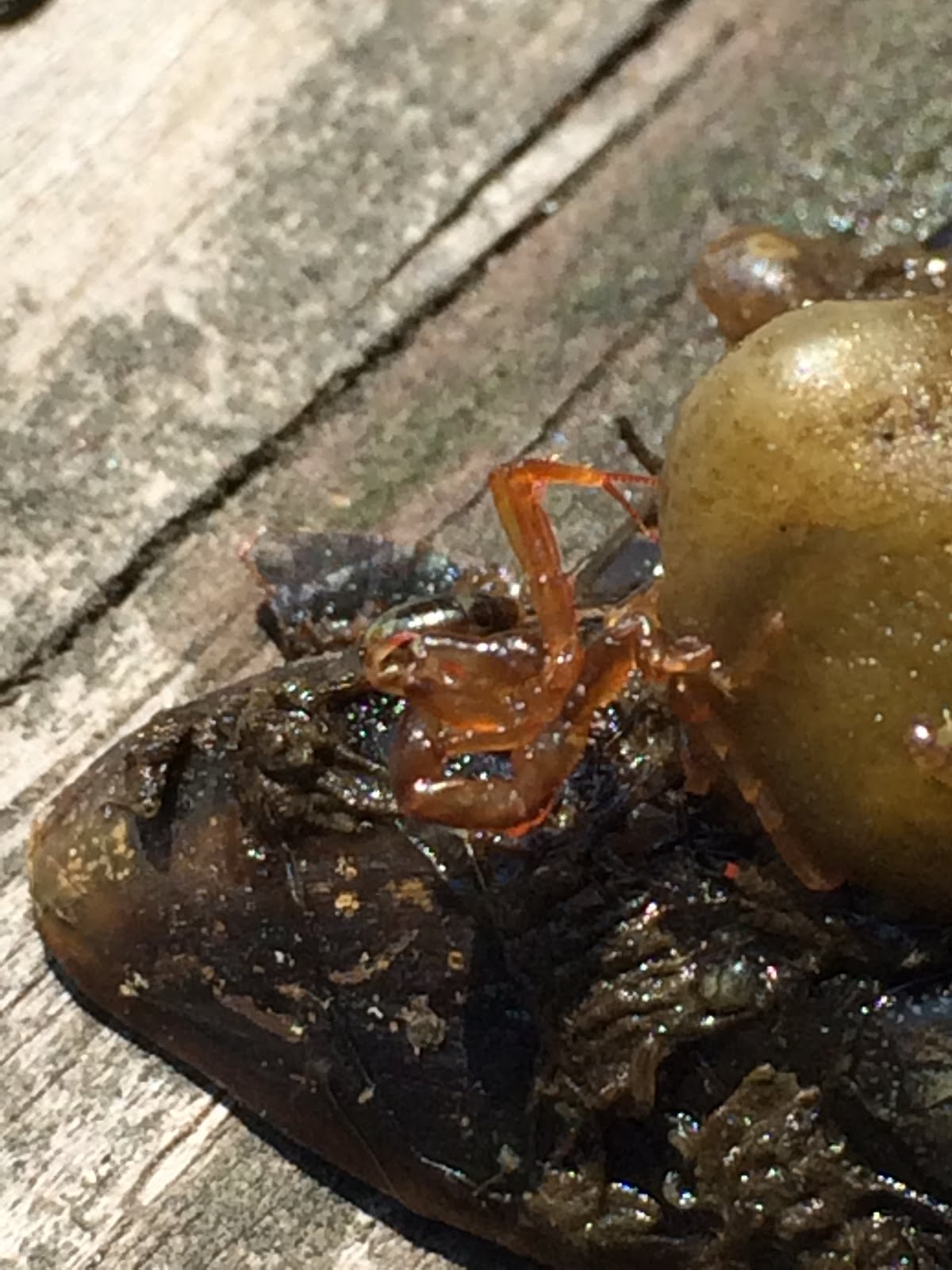
Invasive Asian Shore Crab
Photo borrowed as I didn't have my camera near the water. Thanks!
Snail
Barnacles
Thanks for the photos Zhang!
"RAINBOW SWASH - World's Largest Piece of Copyrighted Artwork"
Added because of its proximity to the harbor and fun facts,http://www.atlasobscura.com/places/rainbow-swash
Notes
Labels:
#boats,
#crabs,
#fish,
#greedyfish,
#rocklobster,
#trill,
#trillkrill,
Patrick Jamal,
PJ
Thursday, July 17, 2014
Team Somethingfishy's Observational Foray onto the docks of the Barking Crab
These are our observations from under the docks of the Barking Crab.
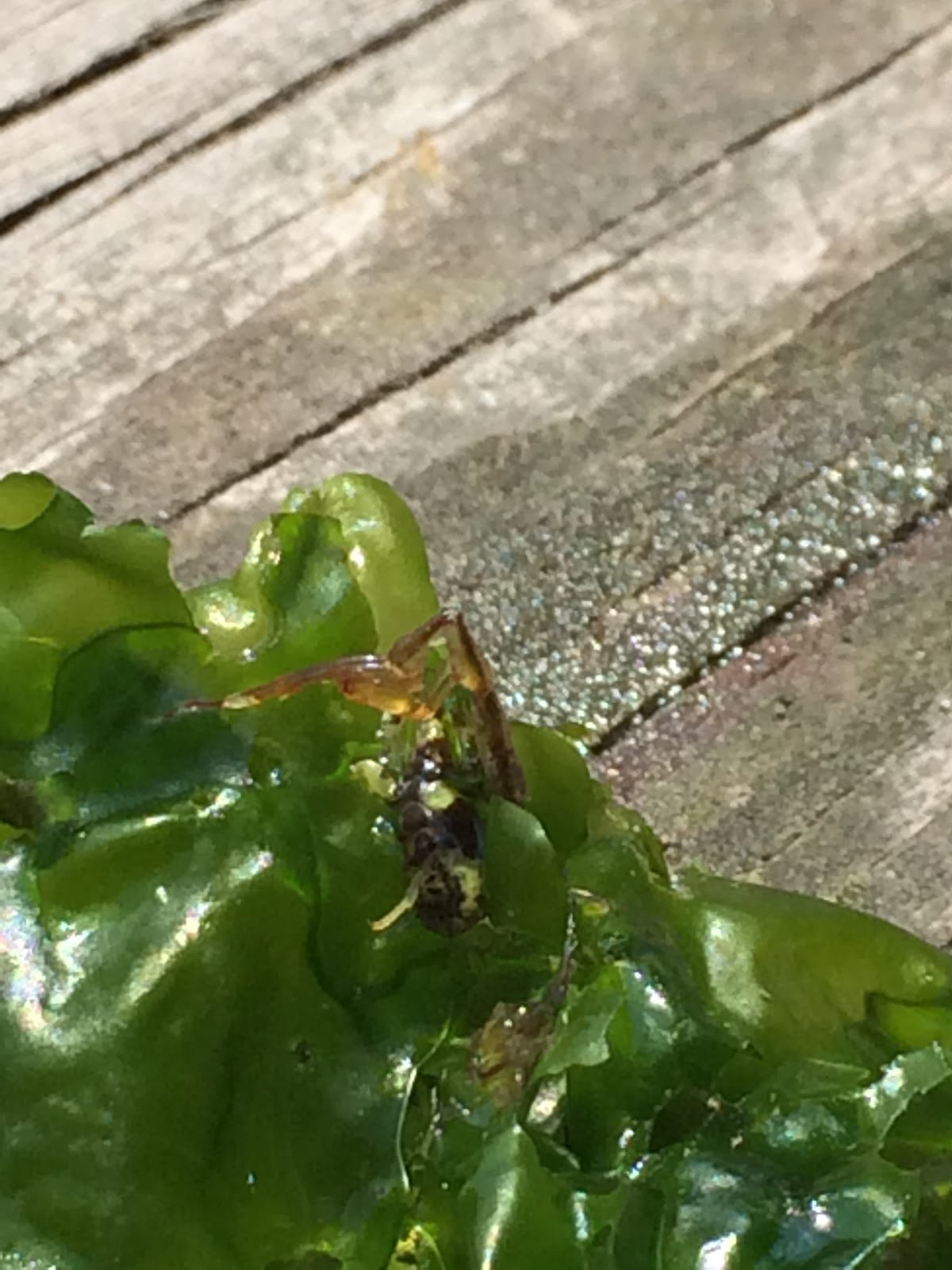
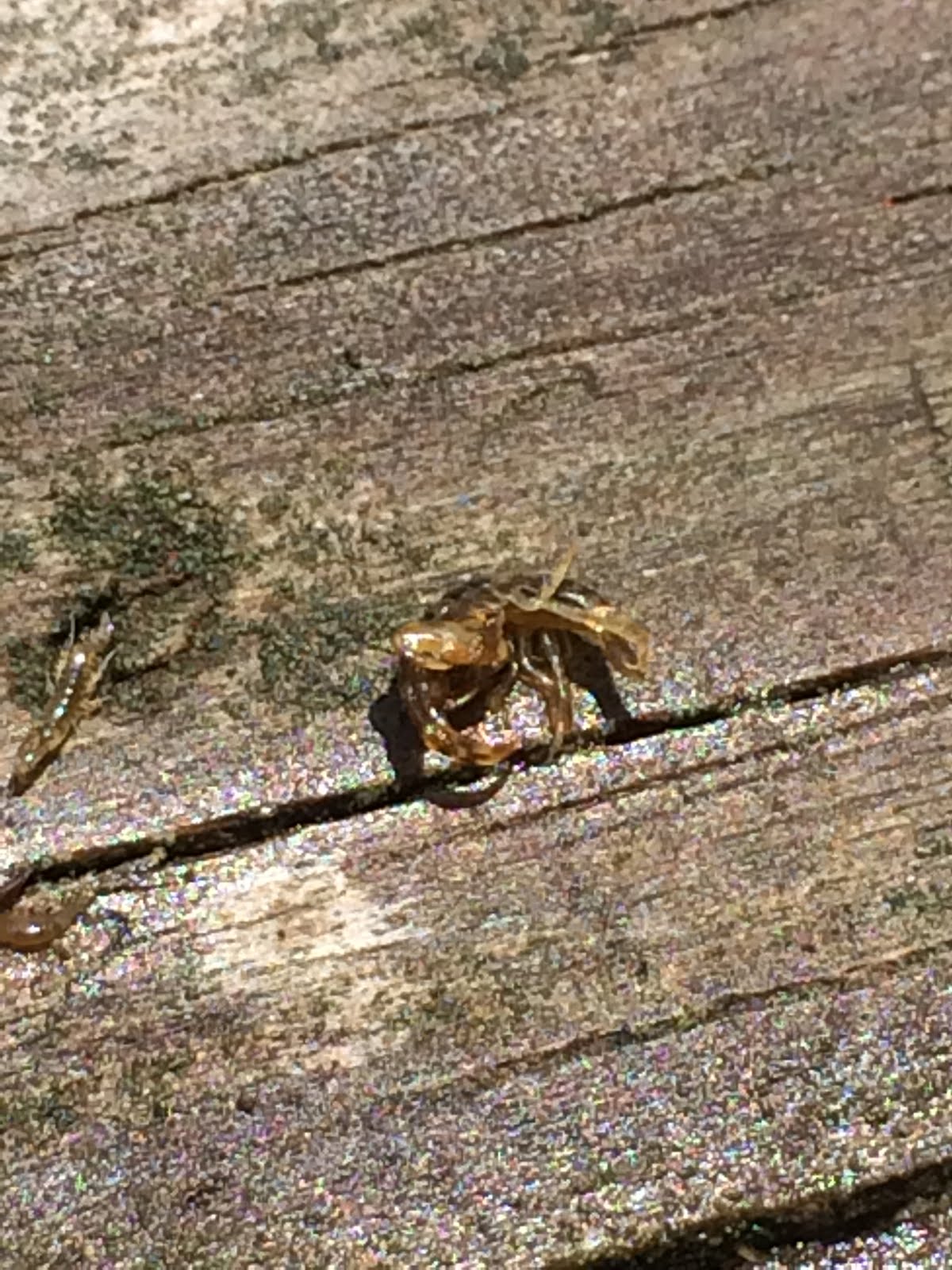
Skeleton Shrimp -very small, maybe ½ inch long
Club Tunicate: Stylea clava
found with barnacles and sea lettuce.
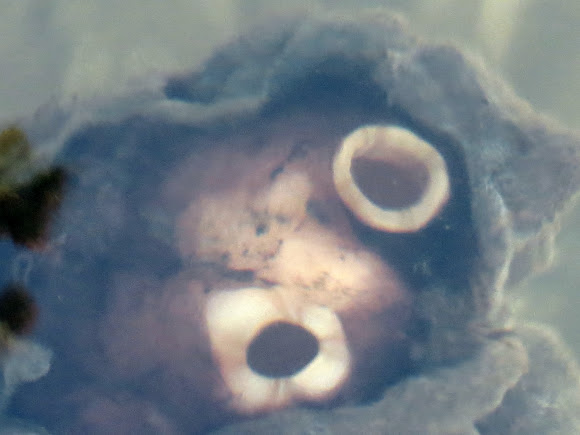
Pleated Sea Squirt Stylea plicata
Image courtesy of projectnoa.org
(http://lh6.ggpht.com/y3gxEEJcolW-cfLieOH2JAmnS6-57bqWy-AXzbfcNOW8B0Hi_zr35xDaxMrR1H2G9yZNDCdXvQDSGwg4NQbDVw=s580)
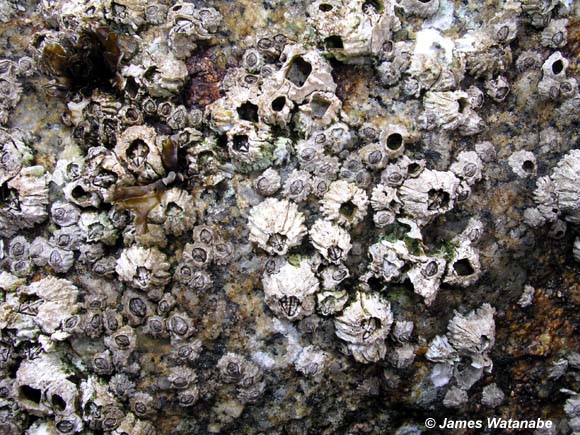
Certain species of acorn barnacle Semibalanus balanoides such as Thatched Barnacles.
(http://seanet.stanford.edu/RockyShore/Barnacles/balanus_gla580.jpg-- Copyright James Watanabe
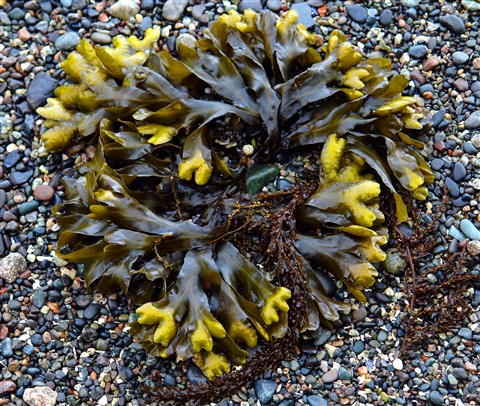
Rockweed (Ascophyllum nodosum) some was on a barnacle and some had been dislodged and was floating by.
(http://g4.img-dpreview.com/C0476AE719C7488084725B741E7D9C50.jpg)
Sea Lettuce with skeleton shrimp
|
Waterlouse (Asellus aquaticus)
these are tiny, maybe a 1/8th inch long and were everywhere. One mussel had over a dozen of them.
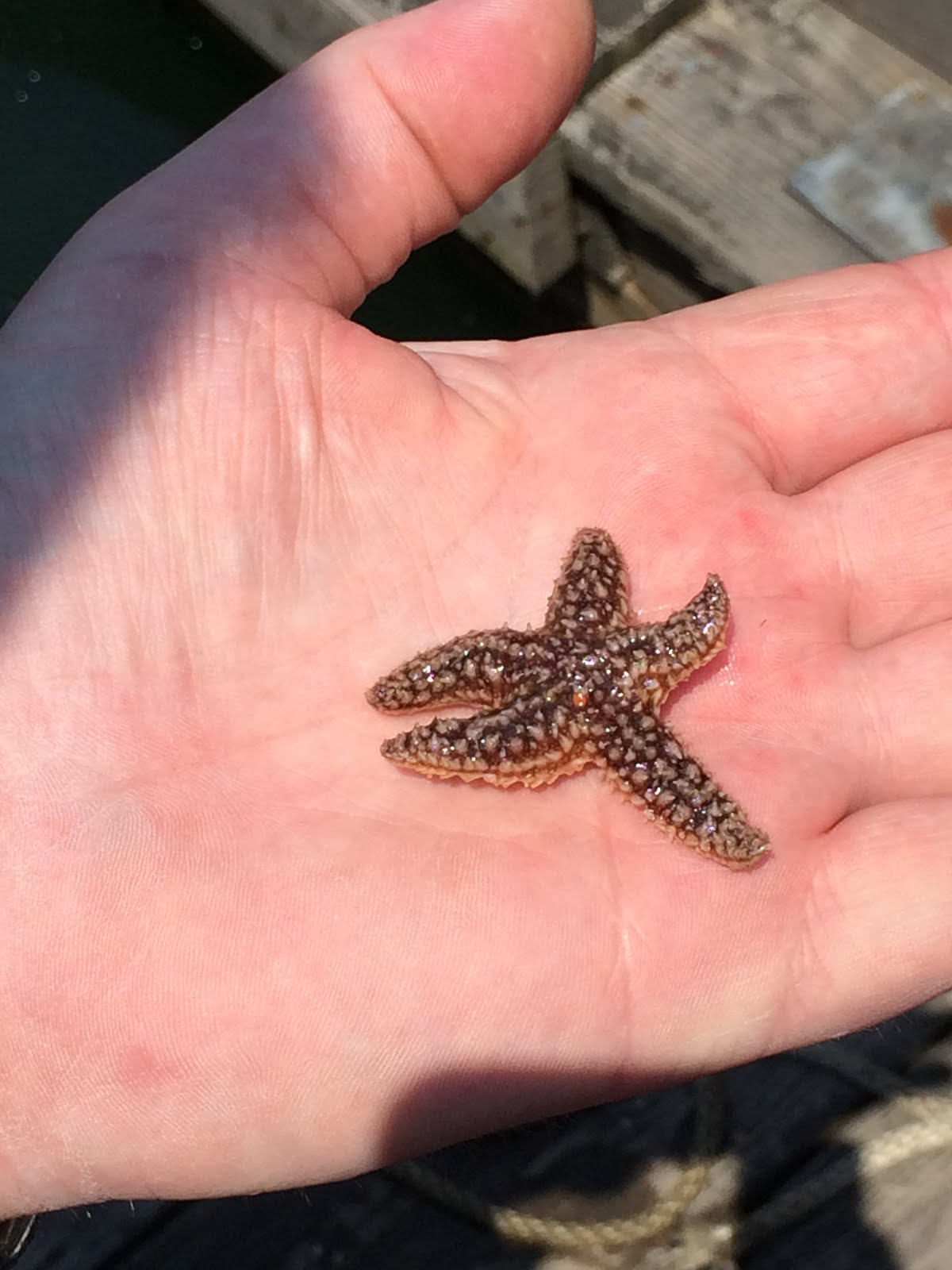
Starfish
Boreal Asterias
This one hitched a ride on the lobster trap that was hauled in. possibly 1inch from arm to arm.
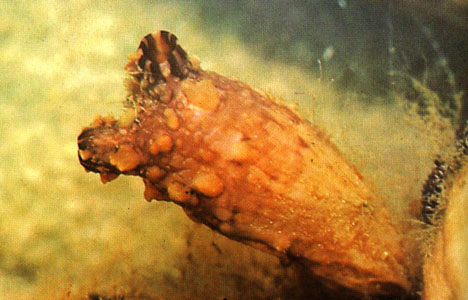
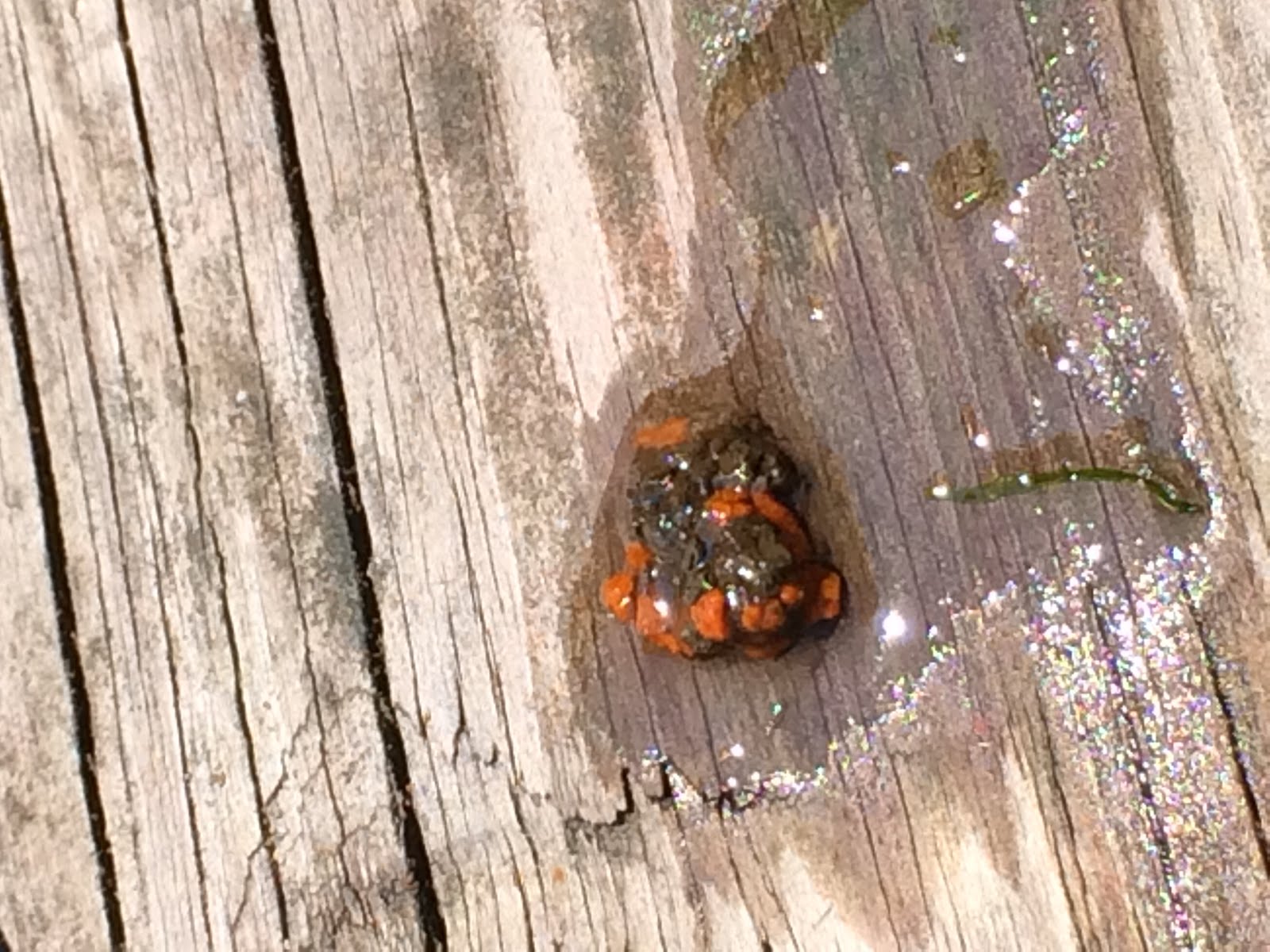
Orange Sheath Tunicate
This stuff was as common as the sea lettuce, varying in size from small colonies (like pictured here) to much larger ones).
Note: this was taken at Fan Pier.
Shells from Birds dropping them to eat
Mussels are dropped from great heights to be cracked open and eaten by seagulls.
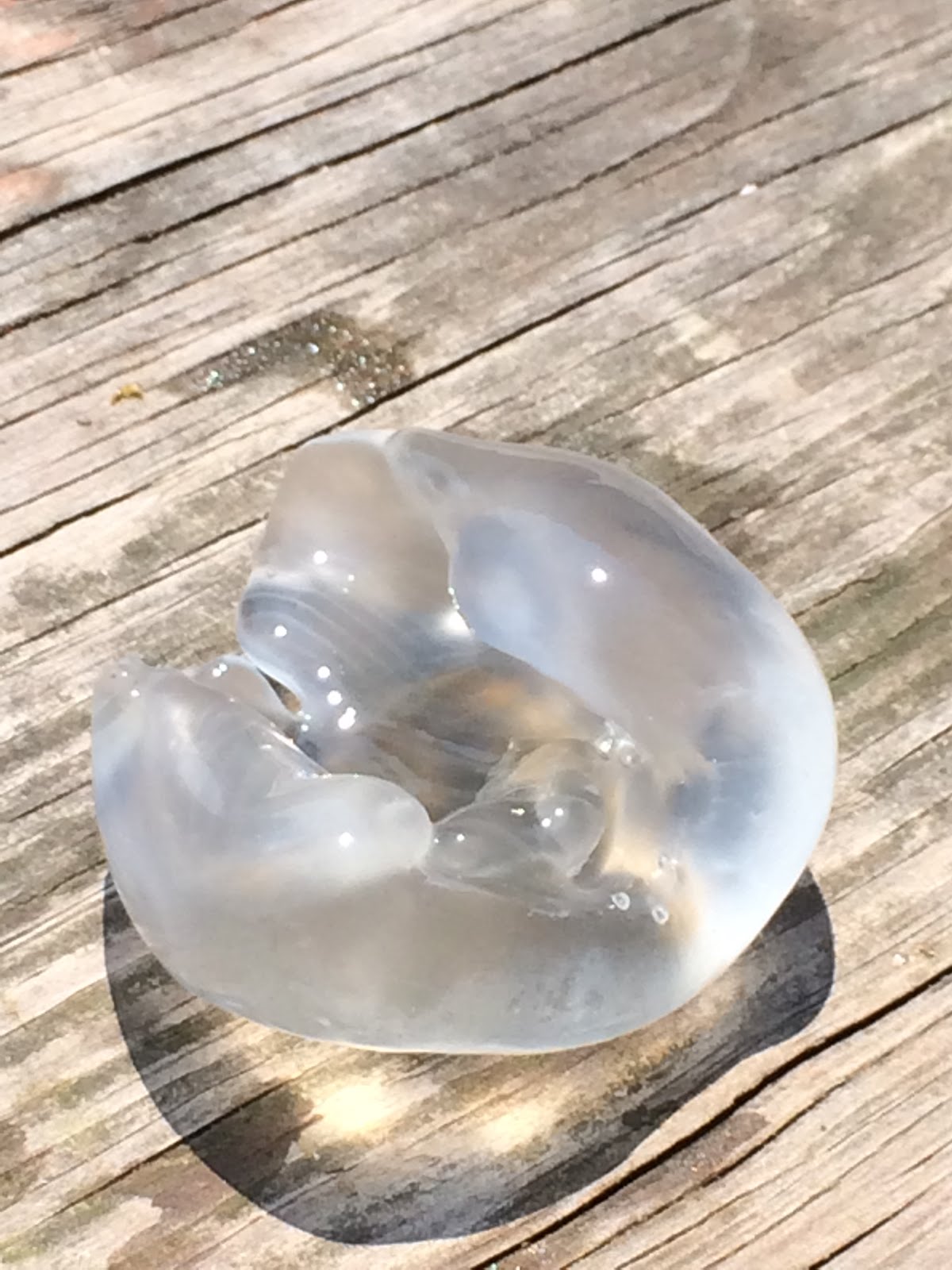
Jellyfish
Moon Jelly (Aurelia Aurita)
approx. 3in. diameter
Thick, like muscle (expected it to be less durable)
Most have the 3-4 clover like reproductive organs; this one did not.
Snow Crab (Spider Crab Family)- this one was rather grimy, covered with algae or other plant life, or perhaps just muck.
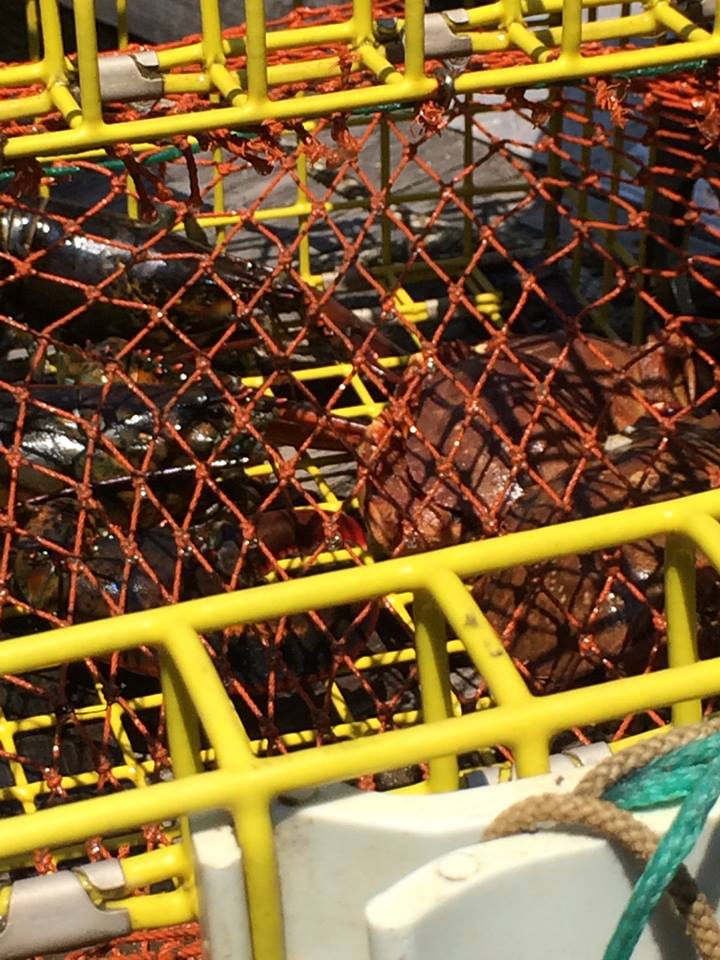
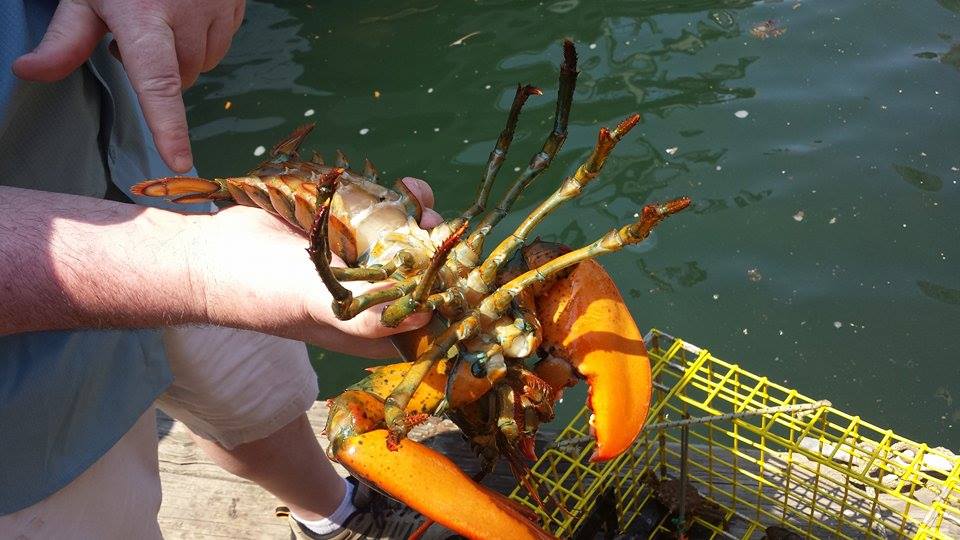
North Atlantic lobster
Subscribe to:
Posts (Atom)